
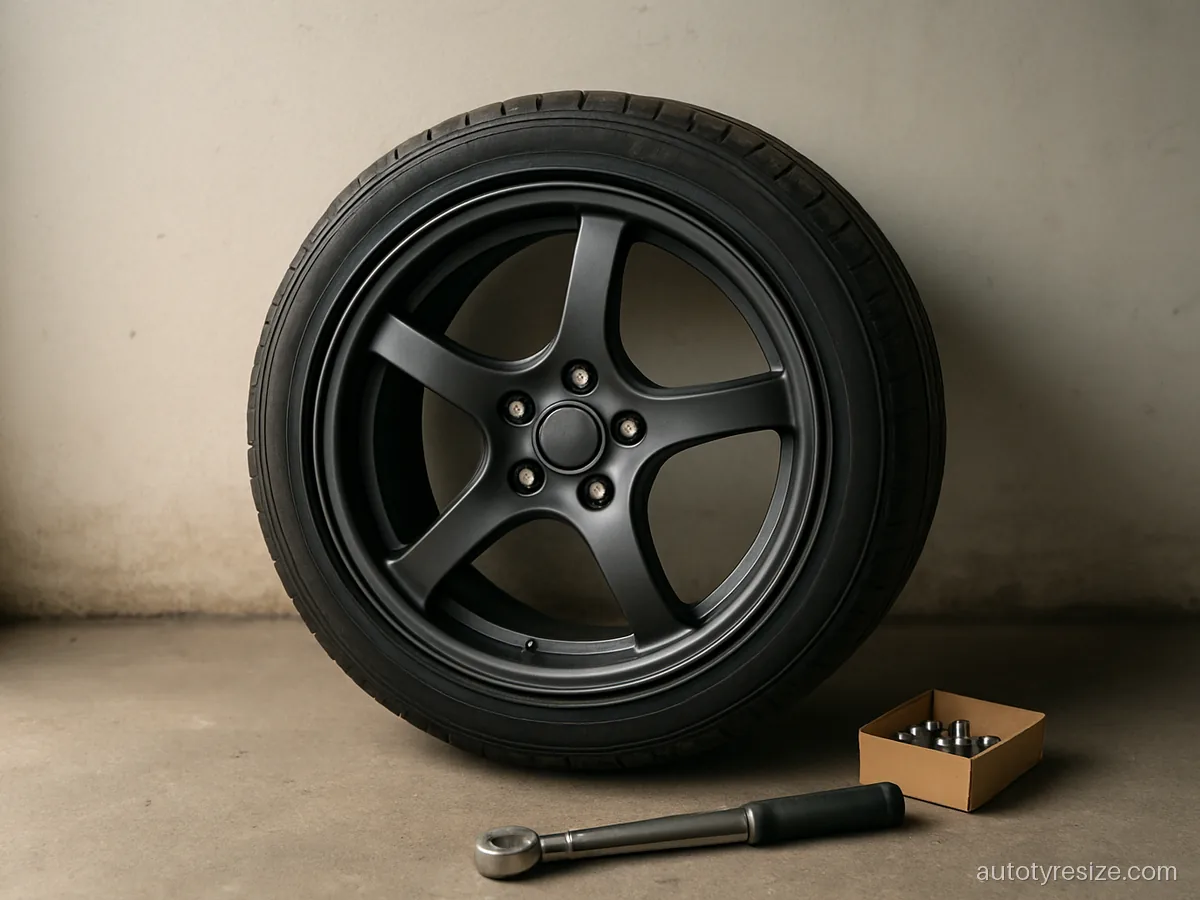
Mag wheels got their name from magnesium, the metal used for early cast racing wheels, but most wheels sold as mags today are aluminium alloy wheels. In everyday Indian shop talk, mag, alloy and sport wheel all mean the same thing.
True magnesium wheels still exist. They are much lighter, much costlier and need more care, so they are found mostly on race cars and track bikes. Here is how to tell the two apart and what that means for your vehicle.
At a glance
- Original meaningWheels cast from magnesium alloy, first used in racing
- Today in shopsUsually just another name for aluminium alloy wheels
- True magnesiumLighter than aluminium, rare and costly, used mainly in motorsport
- How to tellAsk for the material in writing; check the wheel markings and invoice
- Fitment rulesSame as any alloy: size, bolt circle, hub bore, offset, load rating
- CareGentle cleaning, keep the coating intact, avoid acid cleaners
Where the name mag wheels comes from
The first die cast wheels were made from magnesium alloy, and racers simply called them mags. They were popular in motorsport before aluminium casting improved. As cast aluminium wheels took over road cars, the name stuck to any wheel that was not plain pressed steel. So when an older mechanic or a seller says mags, he usually means any alloy wheel.
Mag wheel vs alloy wheels
| Point | True magnesium wheel | Aluminium alloy wheel |
|---|---|---|
| Weight | Lightest | Light |
| Use | Racing, track bikes, exotic cars | Almost all road cars and bikes |
| Cost | Very high | Moderate |
| Corrosion care | Needs an intact coating and careful washing | Easier, though coating still matters |
| Availability in India | Rare, special order | Every wheel shop |
Magnesium is less dense than aluminium, so a wheel of similar strength can be made lighter. That is why it suits racing, where every gram of unsprung weight counts. For daily driving on potholed roads and through monsoon water, aluminium alloy is the practical metal.
How to check what you are buying
- Ask the seller in plain words: is this wheel magnesium or aluminium?
- Get the material, size, bolt circle and offset written on the invoice.
- Turn the wheel over and read whatever is moulded into its rear.
- Be wary of a true magnesium claim at a normal alloy price; real magnesium is costly.
For most buyers the answer will be aluminium, and that is fine. It is what nearly every factory alloy is made of.
Thar mag wheels and off roaders
Owners often ask for Thar mag wheels. The current factory wheels carry 255/65 R18 tyres on 18 inch rims, with 255/60 R19 on the 19 inch alloys of the top variant, figures that match our Thar tyre size page. An aftermarket mag for an off roader is an aluminium alloy wheel in almost every case. For trail use, choose a wheel with a solid load rating and a design that does not trap mud behind the spokes, and keep the tyre height close to stock. If you are thinking about bigger rims, read 20 inch alloy wheels first.
Fitting rules are the same for any mag
Whatever the metal, a wheel fits only when it matches the hub. That means the right stud count and circle (check with the PCD calculator), a matching or ringed hub bore, an offset close to the original and nuts with the correct seat. Nuts should go on in a star sequence and be finished by hand to the specified torque, never hammered tight with an air gun; a recheck once the car has settled in is a good habit. For the basics of wheel codes, see wheel size.
Caring for mag style wheels on Indian roads
Brake dust, monsoon grime and coastal humidity attack wheel coatings. Rinse wheels weekly, wash with mild shampoo and skip acid wheel cleaners. Touch up stone chips before water creeps under the paint. When the car slams into a crater, look the rim over for dents and hairline cracks; a lump on the tyre sidewall calls for an expert look at a tyre shop, reached at gentle speed. Diamond cut faces need extra care, explained in diamond cut alloy wheels.
Should you pay extra for magnesium
For a road car or commuter bike, no. The weight saving is real, but you will not feel it in traffic, and magnesium needs more careful upkeep and costs much more. A good quality aluminium alloy in the right size gives you the look and most of the benefit. Every rim size and model page links from our alloy wheels section; steel is weighed up in alloy vs steel wheels.
Questions owners ask
Are mag wheels and alloy wheels the same?
In common use, yes. Mag originally meant magnesium, but most wheels sold as mags today are aluminium alloy, the same as factory alloys.
Are true magnesium wheels better?
They are lighter, which helps on a race track. For daily road use they cost far more and need careful upkeep, so aluminium alloys make more sense.
How can I tell if a wheel is magnesium?
Ask the seller and get the material on the invoice, and check what is moulded into the inner face of the spokes. A normal priced wheel is almost certainly aluminium.
Do mag wheels need special tyres?
No. Any tyre of the correct size and load rating fits, whatever the wheel metal.
Are mag wheels good for off roading?
An aluminium mag style wheel with a strong load rating is fine. Keep the tyre height near stock and avoid very large rims with thin sidewalls.
Why do older mechanics call all alloys mags?
Because the early cast sport wheels were magnesium, and the name stayed with every cast wheel that came later.