
Hyryder alloy wheels, 17 inches across, are a G and V trim feature, with the E and S using 17 inch pressed steel rims under full plastic trims. Every one of those wheels wears a 215/60 R17 tyre.
That makes an alloy upgrade on an E or S easier than on most cars: the diameter and tyre stay the same, so a replacement rim only has to copy the stud layout, hub hole and inset of the Toyota original. This page covers what the factory fits, how to check a replacement, what changes with an 18 inch set and how to keep machined faces looking fresh.
Hyryder fitment card
- Tyre size
- 215/60 R17 on every variant, E to V, mild hybrid and strong hybrid
- Wheels
- 17 inch steel with covers (E, S), 17 inch alloy (G, V)
- Tyre pressure (cold)
- 33 psi front and rear in tyre guides; door sticker gives the exact figure
- Spare
- Steel spare listed in spec sheets; check the boot of your variant
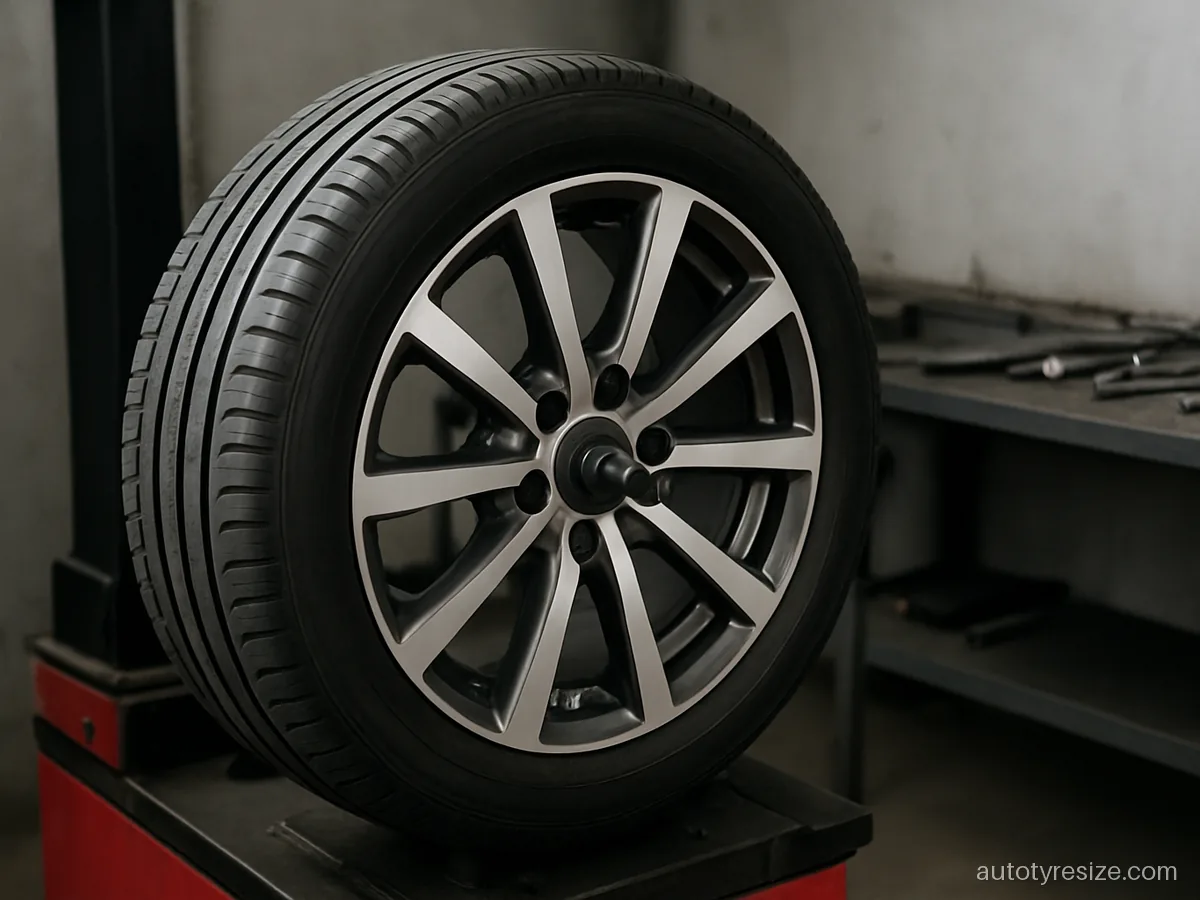
Which Hyryder trims get alloy wheels
| Variant | Wheel | Tyre |
|---|---|---|
| E | 17 inch steel, full wheel cover | 215/60 R17 |
| S (mild, strong hybrid) | 17 inch steel, full wheel cover | 215/60 R17 |
| G (mild, strong hybrid) | 17 inch machined alloy | 215/60 R17 |
| V (mild, AWD, strong hybrid) | 17 inch machined alloy | 215/60 R17 |
Launch feature lists show alloys as one of the things the G adds over the S. The V keeps them and adds more equipment elsewhere. Designs have changed across updates, so look at your own wheel if you want an exact replacement for one damaged rim.
What a replacement rim must match
Toyota keeps PCD, offset and centre bore out of the Hyryder brochure, and the numbers floating around fitment sites did not agree, so none are printed here. Read them yourself before you order:
- Take one wheel off and turn it over to see the back of the spokes. Factory alloys usually have the width, the ET offset and often the stud circle moulded there.
- Five studs and their spacing give you the PCD; the PCD calculator explains the method for five stud hubs.
- Measure the centre opening of the rim too. A new wheel needs that same bore or a properly sized spigot ring.
- Ask the dealer parts counter to read out the factory wheel part number; it settles any doubt.
Correct PCD with the wrong offset either moves the tyre in towards the strut or out beyond the arch, which alters how the Hyryder steers and loads its bearings harder.
Hyryder alloy wheels upgrade on E and S
The simplest route to alloys on a lower trim is the genuine 17 inch wheel from a G or V. It bolts on with the original tyres, the speedometer stays true and the warranty position is clear because it is a factory part. Aftermarket 17 inch rims also work if they match the four points above, and they come in more finishes: black, gunmetal, diamond cut. Price depends on whether the wheel is cast or flow formed and how complex the machining is. Keep the old steel rims; one of them can serve as a spare match.
Going to 18 inch rims
An 18 inch wheel needs a lower profile tyre to keep the height right. 215/55 R18 is 693.7 mm tall against 689.8 mm for the factory tyre, only 0.6 percent bigger, and 225/55 R18 is 2.2 percent bigger. Both are inside the usual 3 percent limit. On Indian roads you pay for the look: roughly 11 mm less rubber cushion over potholes, higher odds of a dented rim edge on broken tar, a busier ride over rumble strips and extra tyre roar. Declare the new wheels on your policy, and remember the strong hybrid's systems read wheel speed, so a big jump in height affects more than the speedometer.
Keeping Hyryder machined faces bright
The G and V rims have a bright machined face over a painted base. Pad dust carries iron particles that stain that face when left to sit through weeks of heat. Clean the rims only once they have cooled, using ordinary shampoo, a soft bristle brush and plenty of water on the barrel behind the spokes. Avoid acid wheel cleaners and the harsh chemicals some washing centres use, since they cloud the clear coat. After wading through muddy monsoon water, hose out the back of each rim, because caked mud throws the balance off and shows up as a wobble in the steering above 80 km/h.
Kerb scuffs and diamond cut repair
Shallow parking scrapes on the lip respond to fine sanding and matching paint. Deeper marks across a machined Hyryder face mean putting the wheel back on a lathe and skimming metal away, and each skim leaves the spoke a little thinner, so plan on two or three at most. Refinishing is explained further in diamond cut alloy wheels. A tyre that slowly loses air after a pothole hit may be sitting on a cracked inner lip; get it inspected, and on an SUV of this weight swap a cracked alloy for a new one instead of welding it.
Questions owners ask
Does the Hyryder S have alloy wheels?
No. Like the E, the Hyryder S rolls on 17 inch pressed steel rims under plastic trims. Alloys arrive on the G and stay on the V.
Will G variant alloys fit my Hyryder E?
Yes. They are the same 17 inch size and bolt to the same hub, and the 215/60 R17 tyres transfer directly. Buy matching wheel nuts if the alloy needs a different seat.
What is the PCD of Hyryder alloy wheels?
The brochure leaves it out, and the figures quoted around the web did not agree, so we do not state one. Read the marking inside the factory rim or ask the dealer for the wheel part number before buying.
Are 18 inch alloys safe on a Hyryder?
They can be, with a 215/55 R18 or 225/55 R18 tyre that keeps the height within 3 percent. Expect a stiffer ride and rims more prone to denting. No factory Hyryder runs 18 inch wheels.
Why does my Hyryder steering shake after a wheel change?
Usually the new wheel needs balancing, the centre bore does not match, or the nuts were not tightened in a star pattern. Go back to the shop and have the balance and hub fit checked.